Skip to content

Institute of
Futures
Research

Research

– Topics –

Foundations Key issues include the metaphysical status of possible, probable, and preferable futures; the role of human agency and questions of free will in shaping the future; and the nature of time and change. We also explore the philosophy of probability in futures studies, which includes the nature of uncertainty, risk, and chance. Epistemology in futures studies investigates our knowledge of the future, its limitations, and its sources. It encompasses the philosophical basis for considering future probabilities and possibilities, and the reliability of different predictive tools and methods for forecasting. The topic also covers the epistemological and ethical implications of futuristic simulations, as well as the role of counterfactual thinking and alternate histories in shaping our understanding of the future.
Artificial Intelligence The capacity of machines to apprehend human cognition and subjective experiences is a pivotal consideration, provoking exploration into the nature of intelligence and the potential for machine consciousness. Ensuring ethical alignment of AI systems necessitates thorough inspection of moral foundations and normative frameworks, while the societal implications and decision-making ethics of AI require careful deliberation on matters of responsibility and fairness. AI’s emergence rekindles classical debates in the philosophy of mind and introduces novel epistemological and metaphysical considerations. These range from inquiries into consciousness and the potentiality of artificial minds, to the methods by which AI systems generate knowledge, and the ontological standing of AI entities.
Human Gene Editing The convergence of human gene editing, futures studies, and philosophy brings forth complex discussions that intertwine the intricacies of technological safety, implications of “designer babies,” and the ethical distinctions between somatic and germline gene editing. As we delve deeper into the realm of genomic modification, the philosophical deliberations on human welfare become crucial in setting the ethical boundaries of our technological abilities. Safety concerns due to potential off-target mutations and the risk of exacerbating socioeconomic disparities through genetically enhanced individuals underscore the importance of incorporating philosophical inquiry into anticipatory governance mechanisms. The contrast in ethical considerations between somatic and germline gene editing, which respectively alter DNA in somatic cells and reproductive cells, necessitates rigorous examination due to the far-reaching impacts of the latter on the human gene pool and the autonomy of future generations.
Environment As we confront the environmental consequences of our actions, we are compelled to reflect on concepts of responsibility, sustainability, and intergenerational justice. The potential of geoengineering solutions to mitigate climate change raises ethical questions about the risks, uncertainties, and potential unintended consequences of such large-scale interventions in Earth’s systems. Technological innovations such as synthetic biology and nanotechnology also challenge our traditional understandings of nature and naturalness, prompting philosophical debates about the boundaries between the natural and the artificial. Simultaneously, the emergence of notions like the Anthropocene, marking human impact on geological and ecological systems, invites us to reconsider our place in the world and the moral value we ascribe to non-human lifeforms and ecosystems.
Future of Work and Economic Systems The potential obsolescence of traditional employment due to automation raises questions about the future nature of work, the value of human labor, and the societal implications of mass unemployment or underemployment. Concurrently, novel economic systems emerging from digital technology, such as cryptocurrencies and decentralized finance, challenge our established understanding of economic value, trust, and power dynamics. The potential for technological disparity also invites scrutiny of socioeconomic inequality, and the ethics of access to and control over these technologies. In response to these shifts, alternative models such as Universal Basic Income (UBI) and worker cooperatives have been proposed, raising philosophical questions about fairness, justice, and the role of the state in ensuring economic security.
Education Futures The increasing integration of AI and digital technologies in learning environments raises questions about the nature of knowledge, the process of learning, and the role of teachers in the digital age. Equally, the shift towards lifelong learning in response to rapidly changing job markets prompts reflections on the purpose of education, the balance between specialized and generalist knowledge, and the role of formal and informal learning structures. The potential of personalized learning, powered by AI and big data, brings up ethical considerations around privacy, equity, and the risk of creating educational echo chambers. Finally, the transition to remote and virtual learning environments challenges our understanding of socialization, community, and the physicality of learning spaces in education.
Technological Singularity and Transhumanism The concept of the Technological Singularity—in one popular conception, the hypothetical point at which artificial intelligence surpasses human intelligence—and the transhumanist movement, advocating for the use of technology to enhance the human condition, raise profound philosophical questions about our future. The possibility of an intelligence explosion challenges our traditional understanding of human identity, consciousness, and the limits of our cognitive capacities. Meanwhile, the transhumanist vision of human enhancement, whether through genetic engineering, neurotechnology, or AI integration, confronts us with ethical dilemmas about the definition of human nature, the desirability of indefinite life extension, and the potential socioeconomic disparities that might emerge from uneven access to enhancement technologies. It also calls into question our moral and legal frameworks, as we consider new forms of personhood and agency.
Consciousness and Future Generations Futures consciousness invites philosophical deliberation on the nature of time, causality, and the possibilities of human agency, as well as the responsibilities we hold for the potential lives and worlds that our actions today could create. Correspondingly, the ethics of future generations raises complex moral questions about our obligations to people who do not yet exist. It forces us to examine notions of justice, equity, and sustainability in an intergenerational context, and scrutinize our decision-making processes for potential biases towards the present. The potential impacts of our actions on future generations, particularly in areas such as climate change, technological development, and economic policy, further underscore the urgency of these philosophical inquiries.

– Ongoing Projects Housed at IFR –

Algorithmic Prisons and Identity This project investigates the growing phenomenon of algorithmic prisons, in which human agency is heavily influenced or constrained by software systems—a consequence of the rapid adoption of artificial intelligence technologies. We examine the potential dehumanizing effects of living within these digital confines by referencing Giorgio Agamben’s concept of ‘homo sacer,’ a figure in Roman law that could be killed without legal consequence, and the related notion of ‘bare life,’ where one’s existence is reduced to mere biological survival. We also consider the social aspects of algorithmic prisons, including objectification, in relation to the thinking of Jean-Paul Sartre and Martha Nussbaum. These motivate and inform philosophical questions about autonomy and the risk of alienation in an increasingly automated world.
Epistemological License of Futures Studies This project investigates the epistemological grounding of futures studies, a field dedicated to examining possible, probable, and preferable alternative futures. Central to our exploration is the question of how we can justify our knowledge claims about the future. Specifically, we consider the role of modeling, and the mapping states from present to alternative futures, to give us a legitimate basis of forecasting. This invites us to examine the reliability, limitations, and assumptions of such models. Drawing parallels with our accepted epistemic right to study and understand the past, we further investigate the principles that might apply when extending our knowledge claims into the realm of the future. We also investigate the metaphysical status of alternative possible futures, interrogating the nature of these hypothetical realities, and implications for debates within scientific realism. Ultimately, this project seeks to contribute to the broader discourse on knowledge, time, and the role of modeling in shaping our understanding of the future.
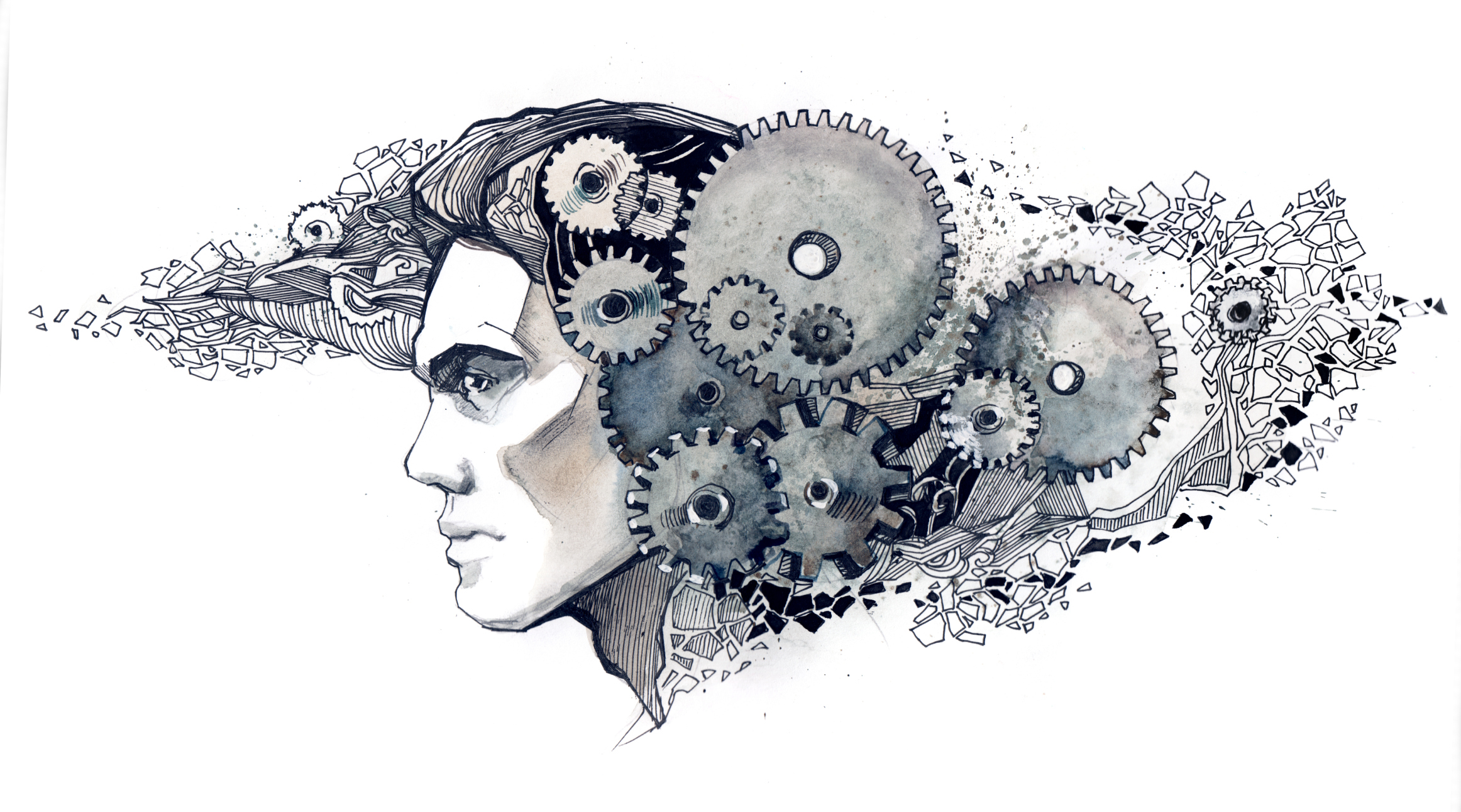
Scientific Theory and the Epistemology of Neural Networks This project is housed at the Institute of Futures Research and seeks to address some challenges associated with the interpretability, explainability, and comprehensibility of neural networks—often termed ‘black boxes’ due to alleged epistemic opacity. Despite these limitations, we propose that neural network-generated knowledge can be epistemically licensed when they align with the theoretical requirements of scientific theories. Specifically, we focus on scientific theories that can be effectively represented through structures, or formal systems of symbols and inference rules. Our goal is to establish a framework that positions neural networks as a plausible intermediary in the formal apparatus of scientific theory, as satisfied traditionally by theoretical statements. This approach would bridge the gap between the computations and statistical results of neural networks and the epistemic objectives of science, and address concerns associated with the epistemic opacity of these models. By advancing a newly probabilistic account of scientific theories centered on neural networks, I hope to contribute new perspectives to the discourse on the role and interpretation of AI in scientific inquiry and the philosophy of science.
Structuralist Accounts of Technological Singularity In this project, we aim to understand the complex phenomena of the technological singularity. Popular accounts often refer to this as a hypothetical future point when the pace of technological advancement becomes uncontrollable and irreversible, profoundly affecting human civilization. Our approach begins with a comprehensive survey of the diverse spectrum of technological singularities presented in the extant literature. Our goal is to establish a typology that situates their various forms and implications, thus addressing a gap in the comprehensive understanding of singularity processes. Leveraging a structuralist approach and computer modeling, we analyze the structure of technological innovation, focusing on the underlying patterns and growth trajectories that characterize technological advancements. Ultimately, this project seeks to enhance our understanding of the dynamics that could potentially trigger singularity events, thereby informing strategies to navigate potential future scenarios.